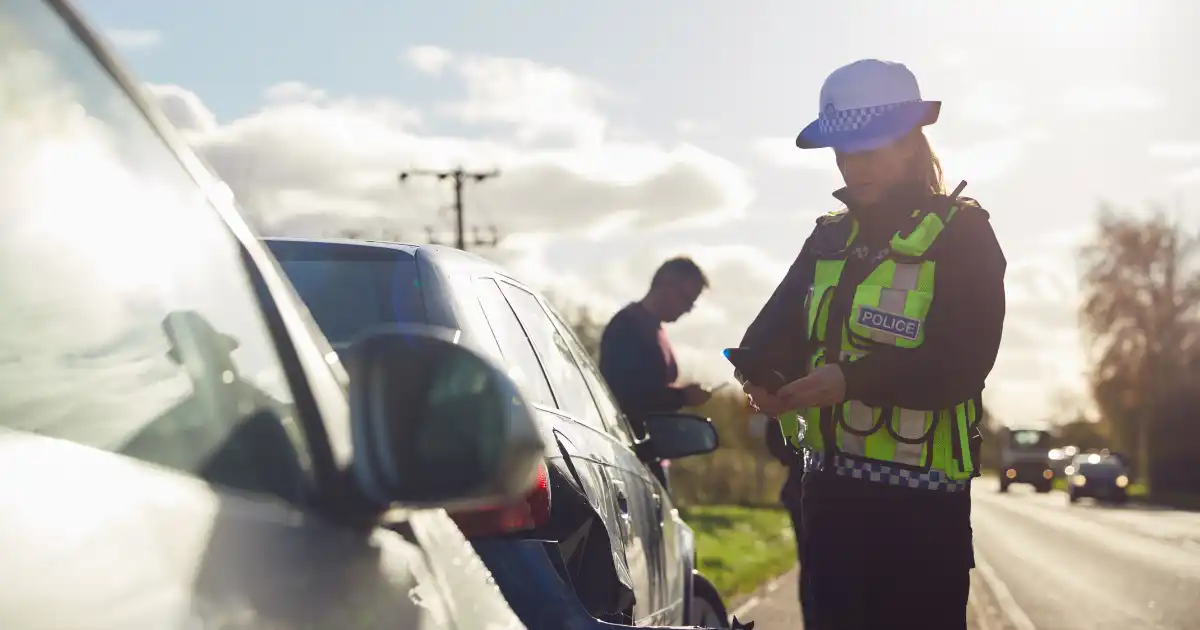
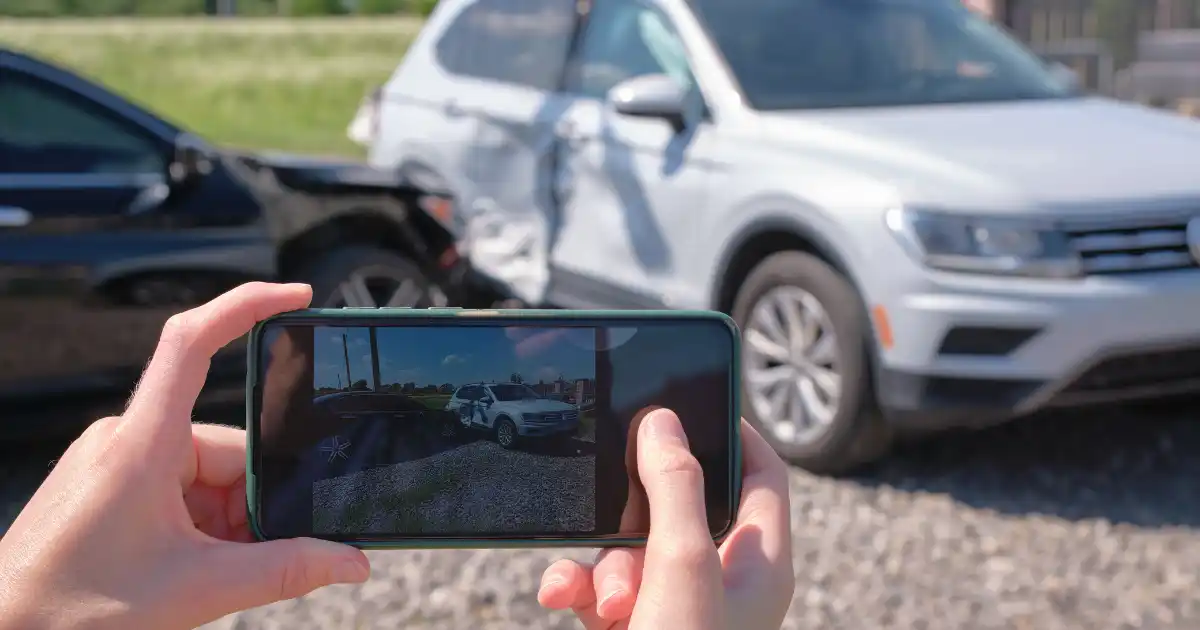
After a car accident, the scene can feel chaotic, and the police report often feels like the most important document you receive. It is natural to look at that form and hope it serves as the final word on who is at fault. However, in New Jersey, the reality is more complex. While a police report is a vital piece of evidence, it is rarely the final legal verdict in a personal injury claim. Understanding why is essential to protecting your financial recovery.
When you get injured on a New Jersey roadway, knowing how fault is proven determines whether you receive full compensation or face a denied claim. Police officers arrive after the crash has already occurred, meaning their reports are primarily based on post-collision observations and statements from involved parties.
What Information Does a New Jersey Police Report Contain?
A New Jersey Police Crash Investigation Report (Form NJTR-1) acts as an official snapshot of the collision. Responding officers from local departments, such as the New Brunswick or Elizabeth police, use this standardized form to record key facts about the incident.
The report gathers critical details that establish the foundation of an accident investigation:
- Date, exact time, and precise location of the collision
- Driver details, vehicle registration numbers, and insurance policy information
- Contact details and statements from eyewitnesses
- Weather, lighting, and road surface conditions at the time of impact
- Diagram illustrating vehicle positions before and after the collision
- Officer notes regarding visible property damage and reported physical injuries
- Traffic citations or violations issued at the scene
Why a Police Report Is Not the Final Legal Verdict
While an official crash report carries significant weight with insurance companies, it does not legally bind a judge, jury, or claims adjuster. An officer’s primary job at an accident scene is to secure the area, arrange medical help, and clear traffic safely.
Police Officers Rarely Witness the Crash Directly
Unless a police officer was patrolling the exact intersection when the crash happened, they did not see the collision occur. Their written narrative relies on statements given by the drivers and bystanders, along with physical clues left on the asphalt. If a driver lies or misrepresents what happened, the initial narrative in the report may be inaccurate.
Traffic Tickets Do Not Automatically Equal Civil Negligence
An officer might issue a ticket for careless driving or failure to yield. While a traffic violation strongly suggests a driver made a bad decision, it is not an absolute conviction of civil liability. Criminal or traffic court operates under different legal standards than a civil personal injury claim.
Hearsay Rules in New Jersey Courts
In a civil lawsuit, large portions of a police report are considered “hearsay” under New Jersey evidence rules. Because the officer did not observe the impact firsthand, their written narrative about how the crash happened cannot simply be handed to a jury as absolute truth. The officer or independent witnesses must testify directly in court regarding what they personally saw and measured.
How Insurance Adjusters Use Police Reports to Assign Fault
Insurance companies use the police report as a starting point for their investigation, but their goal is protecting their company’s bottom line. Adjusters review the officer’s notes to look for any detail that shifts financial responsibility away from their insured driver.
New Jersey follows a modified comparative negligence rule under N.J.S.A. 2A:15-5.1. Under this law, if your assigned negligence is 50% or less, you remain eligible for reduced financial recovery; however, if you are found to be 51% or more at fault, you are completely barred from recovering compensation.
If an insurance adjuster uses a police report to argue you were 51% or more at fault, you cannot collect a single dollar from the other driver’s policy. If you are found 20% at fault, your final settlement payout is reduced by exactly 20%.
What to Do If a New Jersey Police Report Is Inaccurate
Errors on a police report happen frequently. Officers work under high stress, manage chaotic crash scenes, and easily transpose license numbers or mix up driver statements. Correcting these mistakes quickly prevents insurance adjusters from using false information against you.
Correcting Factual Errors
Objective mistakes are simple to fix. If the officer listed the wrong insurance policy, misspelled your name, or got the make and model of your vehicle wrong, you can contact the police department directly. Provide documentation, such as your registration or insurance card, and request an administrative correction.
Handling Disputed Narratives
If the officer wrote down an inaccurate description of how the collision happened, changing the official report is more difficult. Police departments rarely alter an officer’s personal conclusions once filed. Instead, you must submit an official written statement detailing the factual errors, which gets attached to the report as a supplemental addendum.
Proving Fault Beyond the Police Report
Building a successful negligence claim requires gathering independent evidence that goes far beyond the officer’s initial notes. When someone makes a bad decision to run a red light or text while driving, proving that action requires concrete proof.
Key evidence used to prove negligence includes:
Surveillance and Traffic Footage: Video from nearby businesses, residential doorbell cameras, or municipal traffic cameras captures the exact sequence of events.
Black Box Data: Modern vehicles store Event Data Recorders (EDR) that log speed, braking input, and steering angles seconds before impact.
Eyewitness Testimony: Independent statements from bystanders who have no financial stake in the outcome of the case.
Accident Reconstruction Analysis: Forensic experts analyze crush damage, skid marks, and momentum to scientifically prove how the crash occurred.
Cell Phone Records: Subpoenaed mobile logs prove whether a driver was actively texting, calling, or using apps at the moment of collision.
Partnering with Dedicated Legal Counsel in New Jersey
Proving fault often requires going well beyond the officer’s initial notes. Whether it’s securing surveillance footage, analyzing ‘black box’ data, or hiring an accident reconstruction expert, building a winning case takes dedicated, independent investigation.
At Portnoi Law, we focus heavily on motor vehicle negligence claims to hold at-fault drivers accountable across New Jersey. We proudly serve clients throughout New Brunswick, Elizabeth, Irvington, Roselle Park, Mountainside, and Essex County. You pay zero upfront fees, and there is no legal fee unless we recover money for you. Call us today to schedule your free consultation, or visit our practice areas page to learn how we can protect your claim.
Frequently Asked Questions
Q: Can I get a police report changed if the officer got the facts wrong?
A: Yes, for factual errors like insurance numbers, dates, or typos. Narrative changes require submitting a formal supplemental statement through your legal representative.
Q: How long do I have to request a police report in New Jersey?
A: Most New Jersey police departments make official crash reports available online or in person within 5 to 7 business days following the incident.
Q: What if the police were never called to my car accident?
A: You can still file a personal injury claim. You must file a Self-Reported Crash form (SR-1) with the state and rely on medical records, witness statements, and photos to prove fault.
Q: Does receiving a ticket at the scene mean I lose my personal injury case?
A: No. A traffic ticket is evidence, but it does not automatically bar you from recovering compensation under New Jersey comparative negligence laws.